Étiquette : Journal Liberté Ouvrière

Espagne : problèmes de la Révolution | Ariane Miéville & José Luis García González (2024)

Durant la Guerre d’Espagne, des anarchistes acceptèrent d’être associé.es au pouvoir en devenant ministres… Comment ce processus d’intégration s’est-il produit ? Quelles en furent les conséquences ? Cet article propose un aperçu succinct et partiel. Il vise à ouvrir la discussion sur des problèmes qui – sous des formes différentes – restent actuels.

Infrastructures of Resistance and Survival Toward Revolution: Reframing Reform v. Revolution Debates | Jeff Shantz (2024)

Working class infrastructures of resistance can take many forms—workers centers, free schools, cooperative food production, communal childcare, defense committees, collective housing, and more. They provide resources, venues, and logistics for supporting and sustaining struggles on a longer term basis. They also provide space for developing revolutionary consciousness, strategies, and tactics. Grounded in working class communities, relationships, and experiences. We need to focus on building the resources and infrastructures that get us through the current capitalist hellscape while also increasing our capacities to fight toward revolution.

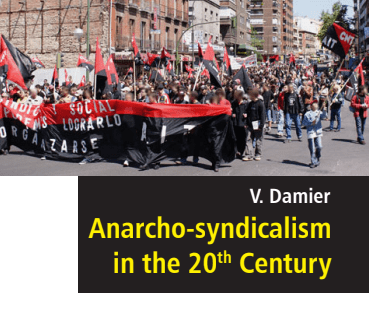
Anarcho-Syndicalism, Technology and Ecology | Graham Purchase (1995)

In an anarchist society, the absence of centralized state authority will permit a radically new integration of nature, labour and culture. As the social and ecological revolution progresses, national boundaries will become cartographical curiosities, and divisions based upon differences in geography, climate and species distribution will re-emerge. This essay addresses the question of what role unionism will play in these changes.

Murray Bookchin: Throwing the baby out with the bathwater | review essay by Iain McKay (USA, 2009)

I take no pleasure in showing up Bookchin’s contradictions and personal revisionism. It is a shame that he ended such a fruitful political life by writing such rubbish. Hopefully, his post-anarchist work (along, of course, with his silly « libertarian municipalism » fetish that became his undoing) will be ignored in favor of his real, important and still relevant contributions to libertarian theory.

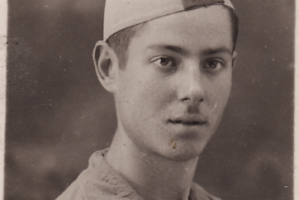
Notes on the life of Eduardo Vivancos 1920-2020 | Reddebrek, 2021

Almost a century in the Libertarian and Esperanto movements

On the 30th December 2020 Eduardo Vivancos passed away at the age of 100. He leaves behind a family and nearly a century of dedication to a number of causes from athletics, Anarchosyndicalism, and minority languages especially Catalan and Esperanto. I think his life is worth remembering and while in the Spanish world his death was followed with numerous tributes and retrospectives, including a feature in Corredor a popular magazine dedicated to running, and a lot of friends mourned him in Esperanto texts, he’s largely unknown in English.